Two castles, half an hour apart. One is a roofless shell with grass growing where the kitchen floor used to be. The other has a furnished bedchamber, a working kitchen and a queue at the gate. Same county, same century of origin, completely different afternoon. Visitors often assume one is simply better than the other. It isn't that simple — but it is easy to work out which one suits the trip you are actually taking.
First, Some Useful Vocabulary
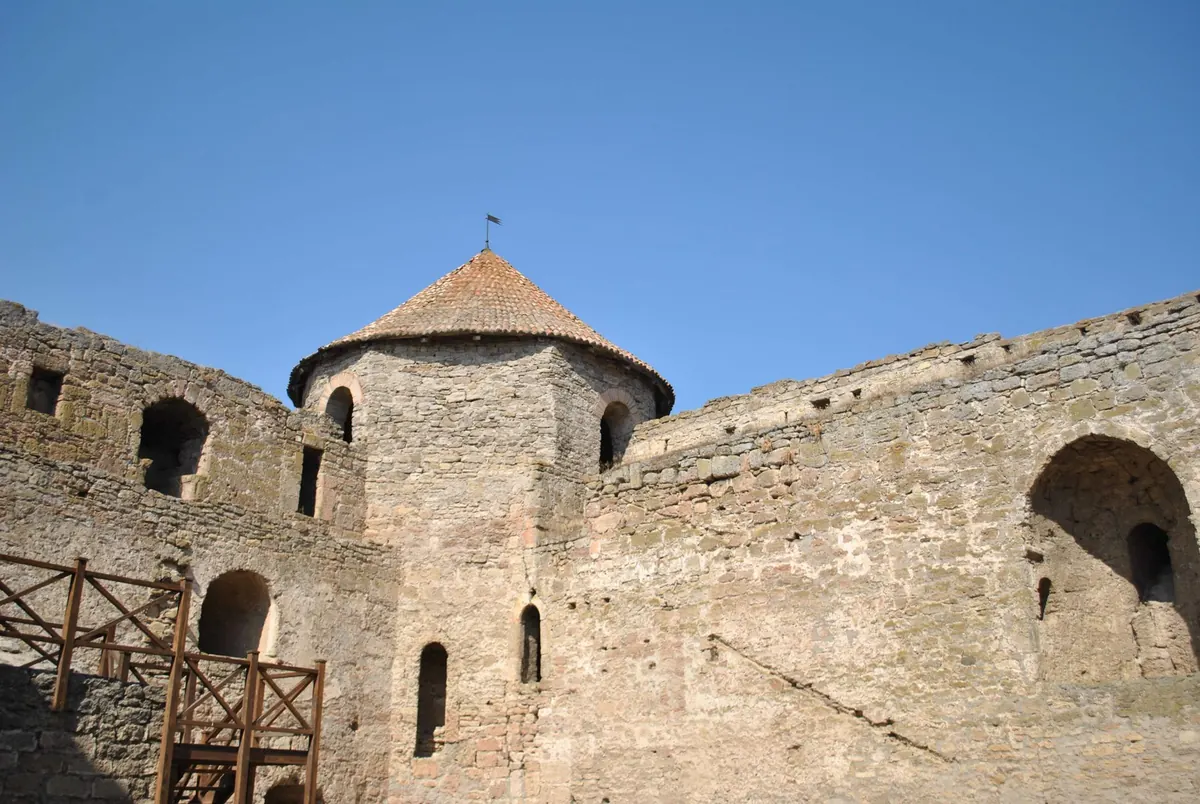
A ruin is a castle that was abandoned, slighted after a siege, or quarried for its stone. The walls may stand to full height, but the roof has gone, floors have gone, and the interior is open to the weather. Corfe in Dorset and Urquhart above Loch Ness are classic examples.
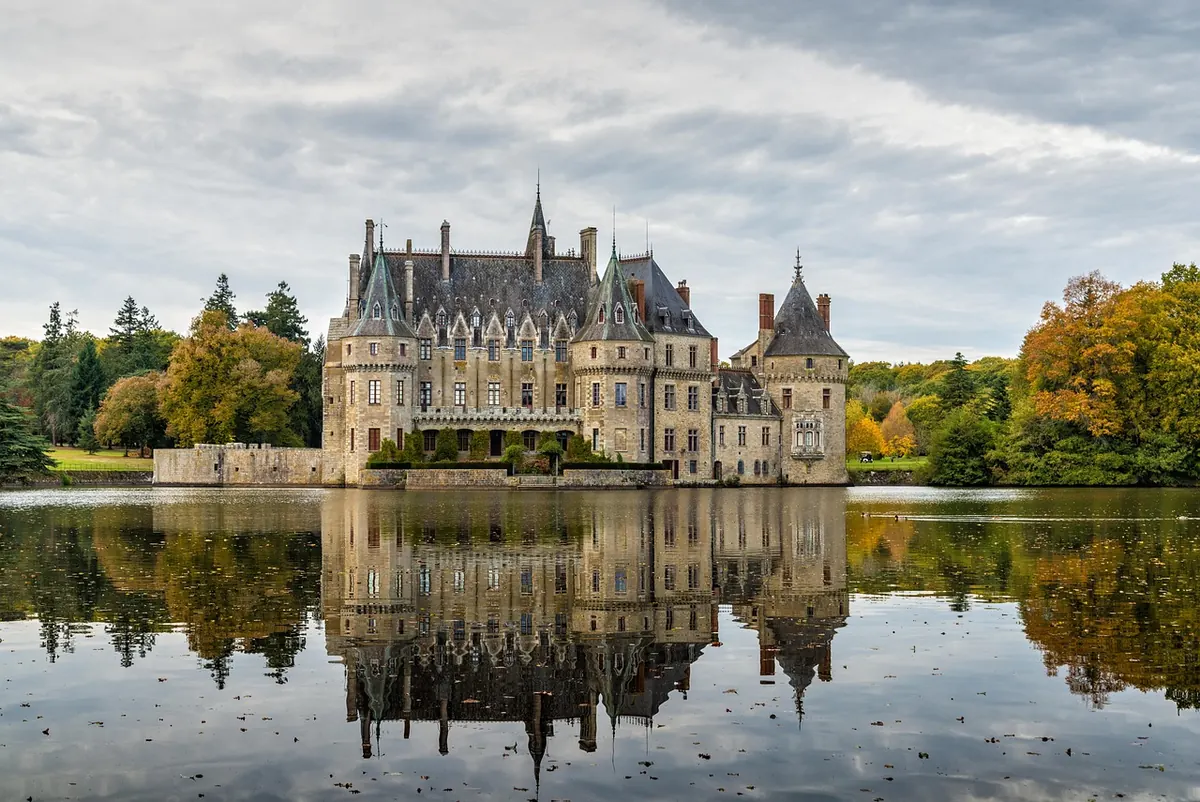
A restored castle has been repaired, re-roofed, and often refurnished. Dover's great tower and Eilean Donan are good examples. Be aware that restoration is not the same as accuracy. Some of the most famous rebuilds — Carcassonne's ramparts, Pierrefonds in France — were shaped by nineteenth-century architects with romantic ideas about the Middle Ages. Enjoy them, but don't assume every crenellation is original.
Where Ruins Win
Ruins are honest. Nobody has arranged anything for you, and that is the appeal. Standing in a roofless hall with wind coming through the window openings tells you more about the reality of castle life than any velvet cushion.
- Atmosphere. Damp stone, jackdaws, ivy. Ruins photograph beautifully in flat grey light, which is lucky if you are in Britain or Ireland.
- Space and freedom. Usually no ropes, no timed slots, no queue for the spiral stair. Children can run at Bodiam's moat or roll down a grassy bank.
- Cost. Many ruins sit in public care or open access land. Some are free; others charge modestly and rely on donations.
- Quiet. Fewer coach parties, especially on weekday mornings and in shoulder seasons.
- Imagination. Because so much is missing, you build the castle yourself. That tends to stick in the memory longer.
The drawbacks are real too: uneven ground, no cafés, thin interpretation, and long stretches of "what am I looking at?" without a label to help. Wheelchair users and prams often find the gates, gravel and steps difficult. Check the site's access page before you commit.
Where Restored Castles Win
A restored castle answers questions. You see the kitchen where food was cooked, the bed the lord slept in, the passage the servants used. Guides in costume, armour displays and hands-on activities make it easy for children to connect.
Practical comforts matter more than people admit. Indoor rooms mean rain does not end the visit. There are toilets, a tea room, often a lift and a shop. Kent and Warwick have built entire days around jousting, falconry and siege engines.
The trade-offs: higher ticket prices, timed entry in summer, and a commercial polish that can flatten the mood. Warwick is spectacular, and also busy enough that you may shuffle through rooms in a queue. If your idea of a castle is solitude, this is not it.
Which Traveller Are You?
Families with young children
Restored castles are the safer bet, but ruins with a moat, a mound or open grassland work well too. Look for sites with a picnic area and a short, defined route. Bodiam, with its water and ducks, keeps small children happy for two hours.
Photographers
Ruins reward you. Broken walls give strong shapes and texture, and dull weather is not a problem. Arrive at opening or in the last hour before closing. Bring a cloth to wipe mist off the lens and a wider lens than you think you need.
History enthusiasts
Do both, but ask what is original. Staff at heritage sites will happily tell you which walls are medieval and which were rebuilt a century ago. Buy the guidebook — ten minutes of reading changes the whole visit.
Visitors with limited mobility
Restored sites usually offer step-free routes to the main rooms. Ruins vary enormously. Phone ahead rather than trusting a website summary; ask specifically about the path surface, gradients and whether the gate is wide enough for a wheelchair.
Budget-conscious travellers
Chase the ruins. Village castles, churchyard fragments and hillfort earthworks often cost nothing. Membership schemes pay off quickly if you plan more than a few visits a year.
The Middle Ground Worth Knowing
Many castles sit between the two categories and often give the best value. Stabilised shells such as Kenilworth and Raglan have full-height walls, towers you can climb, and enough signage to explain the layout, without a single reproduction chair. Dover combines medieval walls with convincingly refurnished tower rooms. Then there are inhabited castles like Alnwick and Hever, where a family still lives and only part of the building is open. Read the description carefully — "restored" can mean anything from a careful conservation project to a twentieth-century reconstruction.
Nine Things to Check Before You Set Off
- Opening season and last entry — many ruins shut their gates well before dusk in winter.
- Whether any part of the site is closed for masonry work or scaffolding.
- Tour times, since some guided walks are included with admission and run only twice a day.
- Footwear: grippy soles. Wet grass on a motte is genuinely slippery.
- A small torch for spiral stairs and underground passages.
- A rain jacket rather than an umbrella, which is useless in a wind.
- Cash or a card, depending on the site — small ruins sometimes take only one.
- Food, if the nearest village is a drive away.
- Whether dogs are allowed, and where.
A Simple Way to Decide
Choose a ruin if you want to feel something: space, silence, weather, the sense of a place outliving its owners. Choose a restored castle if you want to understand something: how rooms connected, what people ate, how the household worked. If you are on holiday for several days, do one of each, ideally near each other. Kenilworth's ruins and Warwick's furnished halls are a short drive apart and make a genuinely useful comparison.
One last piece of advice: give either kind of castle more time than you think it needs. The best moments usually arrive after the first lap, when you stop taking photographs and start noticing where the light falls, where the doors were, and how far you can see from the top of the tower. An hour is a visit. Two hours is a memory.
Photo: Valeria Drozdova / Pexels