Stand in the courtyard of a Norman keep, then walk into the state apartments of a Baroque palace, and the difference lands before you can name it. Both buildings are old, both are stone, both have towers and tapestries and ticket queues. But one was designed to stop an army, and the other was designed to stop you in your tracks.
That is the heart of it. Castles and palaces overlap in time, occasionally in the same building, and they share a vocabulary of gates, towers and grand rooms. Yet they were built to do different jobs, and once you know what to look for, you can usually work out which job a building was doing within a minute of walking through its entrance.
Purpose Comes First
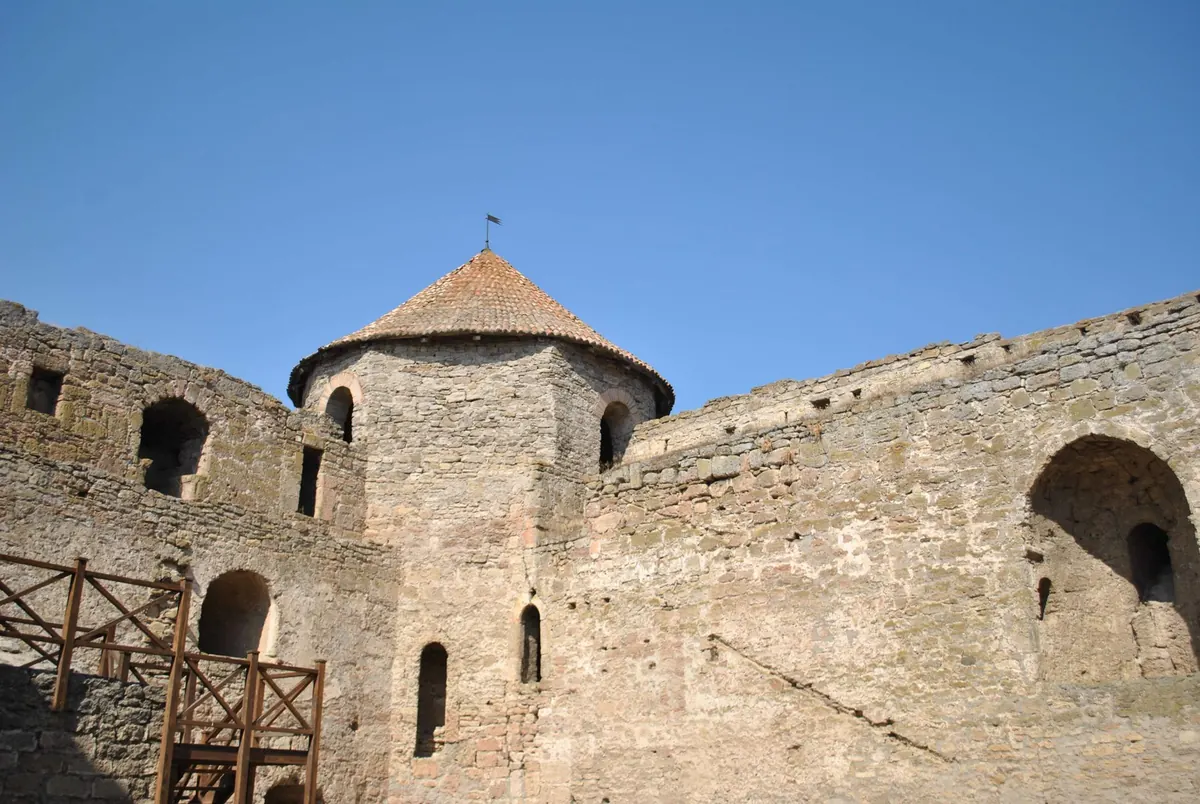
A medieval castle was a fortified residence. It was a working military installation and a home, in that order. The lord who built it needed to hold a river crossing, watch a road, shelter a garrison, store grain and survive a siege. Comfort mattered, but it came third or fourth on the list, and the architecture says so.
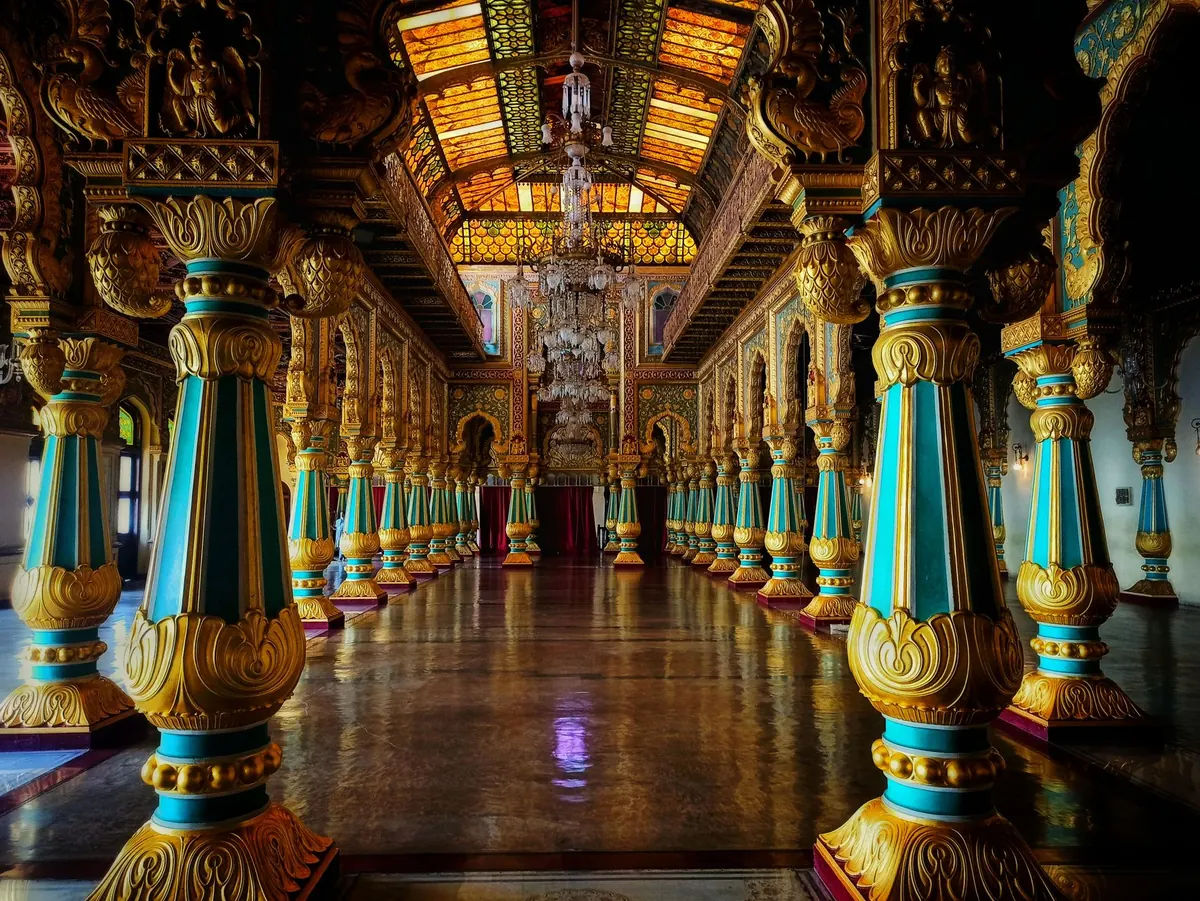
A royal palace answers a different question: how does a ruler house, impress and manage a court? Palaces are stages. They exist to make an entrance work — ambassadors waiting in an antechamber, a throne at the end of a long axis, mirrors and gilding doing the talking. Versailles is the obvious example, but the same logic runs from Byzantine Constantinople to Habsburg Vienna's Schönbrunn.
Architecture Follows the Job
You do not need a guidebook to spot the difference. Look at where the building puts its energy.
Castle signals
- Walls thick enough to walk inside, with deep window reveals and small openings
- Arrow slits, murder holes and portcullis grooves — defence you can still see
- A gate that is hard to find, hard to reach, or protected by a barbican, drawbridge or ditch
- A keep or tower as the last place to retreat, not the best place to be seen
- Spiral stairs, often narrow, awkward to climb in armour and easy to defend
- Service spaces built for storage, stabling and garrison life rather than ceremony
Palace signals
- Symmetry, long façades and a deliberate approach designed to impress
- Large, low windows that let in light and let the occupant look out
- Enfilades of state rooms leading to a throne room or audience chamber
- Gardens, courtyards and axes that extend the building into the landscape
- Ballrooms, chapels, theatres, galleries and apartments for courtiers
- Decoration that signals wealth openly: stucco, fresco, parquet, mirrors, gold
Castles hide their wealth; palaces advertise it. That single instinct explains most of the visual differences between them.
Who Lived There, and Who Paid
A castle household was comparatively small and practical: the lord and his family, servants, a garrison, perhaps a chaplain and a steward. Rooms were often cramped, smoky and cold, warmed by open hearths and hung with textiles to cut the draught. Life there was seasonal — the household moved between residences as food and politics required.
A palace held a court. That meant hundreds of people: officials, clerks, guards, cooks, musicians, ladies-in-waiting, visiting nobles and their servants. Supplying it was a logistical operation, and its rooms were arranged around rank and access. Who could enter which room, and how far along the enfilade they were permitted to walk, was a political map drawn in architecture.
The Timeline Is Messier Than the Labels
Medieval castles in Europe mostly date from around the eleventh century onward, and the classic era of castle building runs through the later Middle Ages. But palaces are older than castles — Roman emperors, Byzantine rulers and Persian kings all built lavish residences centuries before the first Norman keeps went up.
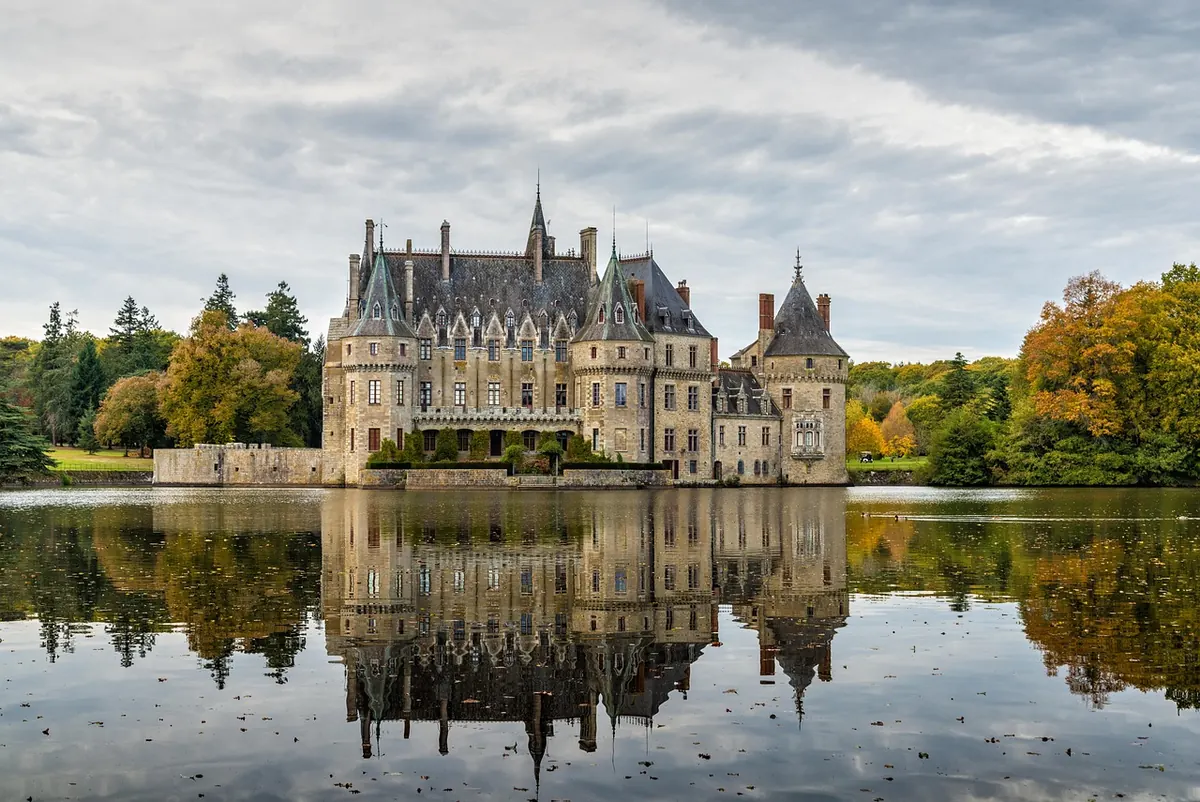
The two forms also overlap and bleed into each other. Windsor Castle has been a royal residence for centuries and remains one today, and parts of it read as palace rather than fortress. The Tower of London is a castle complex that later grew ceremonial and administrative functions. Hampton Court began as a grand private house and became a royal palace. And some late castles, such as Bodiam in Sussex, were built partly as statements of status at a time when serious fortification was becoming less necessary.
Then there is the romantic revival. Neuschwanstein in Bavaria looks medieval and is not: it was built in the nineteenth century as a fantasy of the Middle Ages, which is exactly why it feels like a film set.
What the Names Tell You — and What They Don't
Language is a helpful hint, not a verdict. "Castle" usually points to fortification, and "palace" comes from the Palatine Hill in Rome, the address of emperors. But translated words blur. French château covers everything from a fortified stronghold to a Loire Valley pleasure house. German Schloss generally means palace, while Burg means castle. Spanish alcázar carries its Arabic roots and often describes a fortified royal residence. Italian palazzo can simply mean a grand townhouse.
Use the word as a starting clue, then check the walls for the real answer.
How to Read a Building on Site
Whether you are planning a castle-hunting trip or writing a directory entry, a few habits make the visit sharper:
- Find the oldest fabric. Signage and guidebooks usually point out which parts are original and which were added later for show or comfort.
- Trace the approach. Walk the route a visitor would once have taken. If it winds, narrows and forces you through a series of gates, you are in a castle. If it sweeps and frames a façade, you are at a palace.
- Look for the conversion. Many castles were softened into palaces over time — bigger windows cut through thick walls, formal gardens laid out where ditches once ran.
- Ask who the building was performing for. A garrison, a rival lord, or a court full of watching courtiers.
- Budget your time differently. Palaces reward slow walking through interior rooms; castles reward poking around walls, earthworks and outbuildings.
Get those five things right and the labels stop mattering quite so much. You will be reading the building itself — and it is usually a more honest guide than the sign at the gate.
Photo: Mahesh E / Pexels